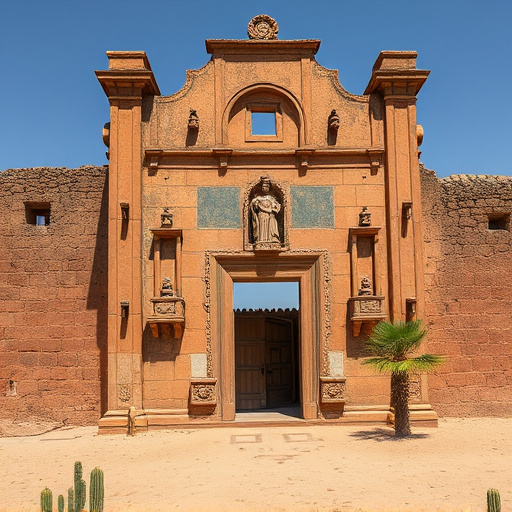
The Casa Grande Ruins National Monument preserves Ancestral Puebloan history with key structures like the Great House showcasing advanced architecture and cultural insights. Guided tours, a visitor center, and educational programs offer deep understanding of their society, construction techniques, and adaptations to the desert environment. What to see in Casa Grande naturally includes exploring historic landmarks, engaging with local culture, and participating in festivals reflecting its rich heritage.
The Casa Grande Ruins National Monument stands as a testament to the rich cultural heritage of Arizona’s past, offering a unique glimpse into the lives of ancient Puebloan people. Located in Pinal County, these impressive ruins are not only visually striking but also hold immense historical significance. What to see in Casa Grande naturally includes its sprawling structures, intricate construction, and breathtaking desert setting. However, understanding the site’s history and preservation challenges is crucial for appreciating its true value. This article delves into the intricacies of the monument, exploring both its archaeological wonders and the efforts to safeguard this irreplaceable piece of Arizona’s cultural tapestry.
- Unveiling Casa Grande's Ancient Past
- Exploring the Ruins: A Step-by-Step Guide
- Architectural Wonders Within the Site
- Beyond the Ruins: Local History and Culture
Unveiling Casa Grande's Ancient Past
Unveiling Casa Grande’s Ancient Past
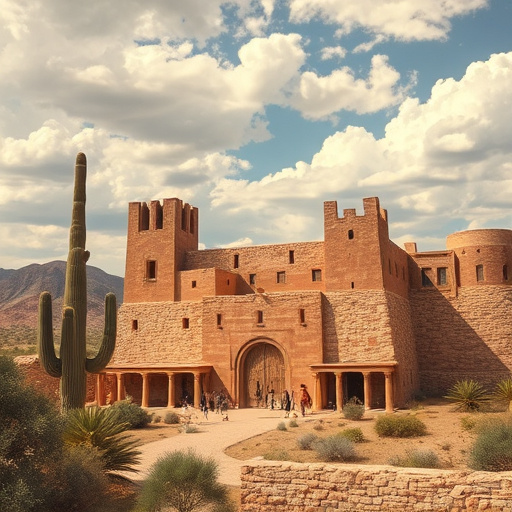
The Casa Grande Ruins National Monument is a treasure trove of ancient history, offering visitors a glimpse into the lives of the ancestral Puebloans who once inhabited this region. What to see in Casa Grande goes beyond mere curiosity; it invites exploration and understanding of a culture that flourished centuries ago. Among the many casa grande historic landmarks within the monument, the Great House stands as a monumental structure that provides valuable insights into the architectural and social complexities of the Puebloan civilization.
Guided tours led by National Park Service rangers offer a deep dive into the past, detailing the construction techniques and cultural significance of these remarkable structures. Visitors can learn about the intricate systems of roads, irrigation, and agricultural practices that supported a thriving community. The ruins also serve as a testament to the resilience and ingenuity of the Puebloan people, who adapted to the harsh desert environment while developing sophisticated social and political organizations.
Beyond the Great House, the monument encompasses a diverse array of structures, from smaller dwelling units to ceremonial kivas, providing a comprehensive picture of daily life in ancient Casa Grande. Walking through these remnants, visitors can envision how this community once thrived, fostering an appreciation for the rich cultural heritage that continues to shape the region. For those seeking to fully immerse themselves in what to see in Casa Grande, the national monument’s visitor center offers educational exhibits and interactive displays that bring the history to life, making it an essential stop for anyone interested in exploring the ancient past of this remarkable location.
Exploring the Ruins: A Step-by-Step Guide
Exploring Casa Grande’s Ancient Past: A Step-by-Step Guide to Historic Landmarks
Stepping into the heart of Casa Grande, Arizona, is like entering a living museum where the past comes alive. The city’s rich history is intertwined with its archaeological wonders, offering visitors an extraordinary journey back in time. Among these remarkable sites, the Casa Grande Ruins National Monument stands as a testament to ancient civilizations that once thrived in this region. This guide aims to navigate you through what to see in Casa Grande, focusing on its historic landmarks and providing an immersive experience of this archaeological treasure trove.
The exploration begins with a visit to the main site, where the Great Kiva, a massive circular structure, dominates the landscape. This ancient meeting place, built by the ancestral Puebloans, is a stunning example of their architectural prowess. As you wander through the ruins, imagine the vibrant community gatherings and rituals that once unfolded here. Following a well-maintained path, visitors can inspect the intricate construction of the Kiva and marvel at its size—a testament to the cultural significance it held. Nearby, the smaller but no less intriguing structures offer insights into everyday life in this prehistoric community.
For a deeper understanding, consider joining one of the guided tours led by experts who can paint a vivid picture of life at Casa Grande. These knowledgeable guides often share fascinating stories and data that bring the ruins to life. Learn about the sophisticated agricultural practices, intricate trade networks, and rich cultural traditions that made this site a thriving center for centuries. What makes these historic landmarks truly special is their natural setting, allowing visitors to appreciate not only the physical structures but also the serene desert landscape that has enveloped them for centuries.
Beyond the main ruins, Casa Grande offers various other sites worth exploring. The nearby museum provides a wealth of information about the Puebloan culture and artifacts discovered during excavations. It’s here that you can gain a deeper context for what to see in Casa Grande—from ancient pottery to tools and jewelry, each piece telling a story of this remarkable civilization. With its rich history and well-preserved ruins, Casa Grande offers a unique opportunity to delve into the past and appreciate the enduring legacy of these historic landmarks.
Architectural Wonders Within the Site

The Casa Grande Ruins National Monument, located in Arizona, stands as a testament to the rich cultural history of the Ancestral Puebloan people. Beyond its archaeological significance, what makes this site truly remarkable is the architectural wonder that lies within its boundaries. Among the most notable features are the intricate masonry walls and structures that showcase the advanced building techniques employed by these ancient communities. The multi-layered bricks, meticulously arranged without mortar, demonstrate a level of craftsmanship that has stood the test of time.
One of the most impressive architectural landmarks within the site is the Great House, which dwarfs all other structures at Casa Grande. This towering complex, built around 1300 AD, features intricate corner towers and intricate wall designs that hint at ceremonial or religious purposes. The careful arrangement of stones not only reflects practical considerations for stability but also artistic sensibilities, indicating a sophisticated understanding of aesthetics in building design. By exploring these structures, visitors gain a profound appreciation for the ingenuity and resilience of the Ancestral Puebloans who once inhabited this land.
What to see in Casa Grande naturally includes a visit to these historic landmarks, which offer insights into daily life, social organization, and cultural practices of these pre-Columbian inhabitants. Guided tours led by National Park Service rangers provide valuable context, allowing visitors to delve deeper into the stories woven into the stones. For those seeking a deeper connection with history, spending time at the site’s visitor center, where exhibits highlight archaeological finds and educational programs enrich the overall experience, is highly recommended. These experiences not only make for a memorable visit but also foster a deeper understanding of the architectural marvels that have endured for centuries in Casa Grande.
Beyond the Ruins: Local History and Culture
Beyond the impressive Casa Grande Ruins National Monument lies a rich tapestry of local history and culture waiting to be explored. This ancient site, once home to an advanced Puebloan civilization, offers visitors a unique window into the past. Among what to see in Casa Grande naturally, understanding its historic landmarks is crucial for grasping the depth of this cultural heritage.
The region’s indigenous history dates back thousands of years, as evidenced by archaeological findings suggesting continuous habitation. The ancient residents, known for their skilled agriculture and complex social structures, left behind a legacy that continues to influence local culture. Casa Grande itself stands as a testament to this history, with its towering walls and intricate construction techniques, making it one of the most significant historic landmarks in Arizona. Exploring these ruins provides insights into the daily lives, beliefs, and architectural marvels of these long-gone civilizations.
Cultural heritage isn’t confined to the ancient past; it thrives in the present as well. Local communities preserve traditional arts, crafts, and culinary delights that have been passed down through generations. Visitors can engage with local artists who create unique pieces inspired by the region’s history, offering a modern interpretation of what to see in Casa Grande. Moreover, cultural festivals and events throughout the year celebrate the diverse backgrounds of the area, providing an immersive experience for those eager to delve into the heart of Casa Grande’s culture.