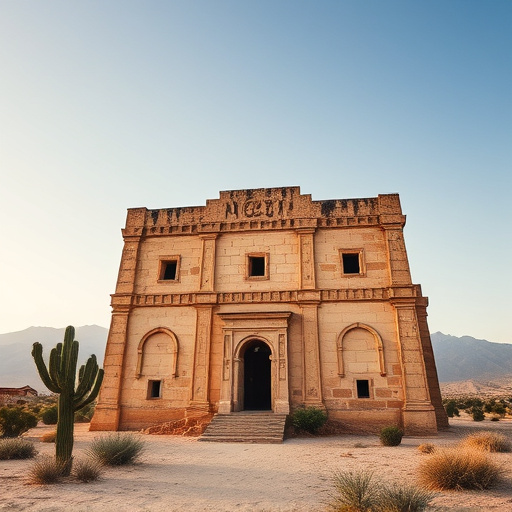
The Casa Grande Ruins National Monument preserves a unique window into ancient Puebloan culture. Highlights include the Great House, showcasing advanced engineering for desert living. The Walk Through Time offers insights into their water management, pottery designs, and spiritual beliefs. What to see in Casa Grande naturally includes artifacts and natural features, highlighting adaptation and resilience. The monument demonstrates their architectural genius, astronomy knowledge, and daily lives through structures and tools. Beyond history, visitors enjoy diverse ecosystems and wildlife, with sustainable tourism practices. Collaborative efforts ensure these ruins remain intact, offering a profound cultural experience.
The Casa Grande Ruins National Monument stands as a remarkable archaeological treasure trove, offering a glimpse into the rich cultural heritage of the ancient Pueblo people. Located in southern Arizona, these impressive ruins are not just what to see in Casa Grande, but a testament to the ingenuity and skill of Native Americans who once thrived there. However, understanding and preserving this historic site present challenges due to its remote location and delicate ecological balance. This article delves into the significance of the Casa Grande Ruins Walk, exploring both the archaeological wonders it reveals and the responsible approaches needed to ensure their longevity for future generations.
- Discovering Casa Grande Ruins: A Historical Journey
- The Walk Through Time: Exploring Ancient Artifacts
- What to See Along the Path: Unveiling Secrets
- Architectural Marvels: Decoding the Past
- Nature's Embrace: The Landscape Around Casa Grande
- Preserving History: Efforts and Significance Today
Discovering Casa Grande Ruins: A Historical Journey
Discovering Casa Grande Ruins: A Historical Journey
The Casa Grande Ruins National Monument, located in southern Arizona, offers a captivating glimpse into the past, inviting visitors to embark on a historical journey through one of the region’s most significant archaeological sites. This ancient pueblo, nestled amidst the Sonoran Desert, stands as a testament to the advanced civilization of the ancestral Puebloans who once thrived there. What to see in Casa Grande naturally unfolds as a narrative of human resilience and ingenuity, dating back over a millennium.
As visitors traverse the site, they become immersed in a landscape shaped by the Puebloan people. The most striking feature is the Great House, a monumental structure that dominates the horizon. This six-story adobe structure, standing as high as 40 feet, is a remarkable feat of engineering and planning. The careful placement of rooms, courtyards, and vertical spaces reflects the Puebloans’ understanding of desert living, with efficient water collection and storage systems, and strategic shade provision. Exploring these historic landmarks, one cannot help but appreciate the ingenuity of this ancient culture.
The journey through Casa Grande Ruins is not merely a visual one; it is a sensory experience. The dry, arid air carries the faint echoes of ancient voices, while the warm sun and gentle winds provide a direct connection to the desert’s unchanging rhythms. This immersive quality is further enhanced by the absence of modern distractions, allowing visitors to truly absorb the historical significance of their surroundings. By delving into what to see in Casa Grande, visitors gain a profound understanding of the cultural and architectural achievements of the Puebloan people, leaving them with a deeper appreciation for the rich tapestry of American history.
The Walk Through Time: Exploring Ancient Artifacts
Exploring Ancient Artifacts on the Casa Grande Ruins Walk
The Casa Grande Ruins National Monument offers a remarkable journey through time, providing visitors with an up-close look at one of Arizona’s most significant historic landmarks. The Walk Through Time is a highlight of any visit, where artifacts and insights into ancient cultures bring the past to life. Along this immersive route, you’ll encounter remnants from the Ancestral Puebloan people who once inhabited this desert landscape, leaving behind a treasure trove of cultural heritage. What makes this experience so captivating is the way it seamlessly weaves together history and archaeology, allowing visitors to piece together the story of this lost civilization.
The ancient artifacts on display include pottery shards, stone tools, and even structures that have stood the test of time. By following the designated trails, you’ll gain a profound understanding of how these early inhabitants adapted to their arid environment. Each step reveals more about their daily lives, beliefs, and intricate knowledge of the land. For instance, visitors can examine the intricate designs on pottery, which often featured symbols that held cultural and spiritual significance. The monument’s guides are also knowledgeable about the various building techniques used by the Ancestral Puebloans, shedding light on how they constructed these impressive structures using local materials.
One of the most fascinating aspects of this walk is witnessing the preservation efforts that have been undertaken to protect these artifacts naturally. The monument’s conservation strategies ensure that visitors can appreciate these historical treasures without causing any damage or disturbance to the archaeological sites. By following guidelines and staying on designated paths, you contribute to the long-term preservation of Casa Grande as a valuable historic landmark. This experience offers not only an educational journey but also a chance to connect with the rich cultural heritage of the region, making it a must-do for anyone interested in ancient civilizations and their legacies.
What to See Along the Path: Unveiling Secrets
Exploring Casa Grande Ruins Walk offers a captivating journey through time, revealing intricate details of ancient cultures who once thrived in this region. As you traverse the path, keep an eye out for several distinctive features and historic landmarks that speak volumes about the area’s rich past. One of the most striking what to see in casa grande is the intricate stonework adorning many structures. These carefully crafted walls, often featuring intricate designs and geometric patterns, showcase the advanced masonry skills of these pre-Columbian civilizations.
Among the notable casa grande historic landmarks along the walk are the towering pillars and intricate carvings found in the main structure. These monumental pieces serve as a testament to the architectural prowess and artistic sensibility of the people who built this ancient community. Keep an ear out for guides sharing stories about the purpose behind these structures, from ceremonial centers to residential complexes. The walk also offers glimpses into everyday life through artifacts and remnants discovered within the ruins, providing insights into their daily routines, beliefs, and trade practices.
Additionally, natural features like nearby springs and agricultural areas highlight the sustainability strategies employed by these cultures. Understanding these what to see in casa grande—both man-made and naturally occurring—enables visitors to gain a profound appreciation for the complexity and resilience of these ancient societies. Remember, taking your time along the path allows for deeper immersion into this historical treasure trove, making Casa Grande Ruins Walk an unforgettable experience that unveils secrets waiting to be discovered.
Architectural Marvels: Decoding the Past
Casa Grande Ruins National Monument stands as a testament to the architectural marvels of the ancient Pueblo people. Decoding the past through these historic landmarks offers visitors a profound understanding of the culture and ingenuity that once thrived in this desert environment. Among the most striking features, the great kivas—circular chambers used for communal gatherings and ceremonies—stand tall, their intricate construction reflecting advanced knowledge of engineering and astronomy. Each step within the ruins reveals new insights into the daily lives of the Puebloans, from the intricate stonework to the strategic placement designed to maximize sunlight during specific seasons.
The architectural brilliance doesn’t stop at the kivas; the entire complex showcases a sophisticated understanding of desert adaptation. The buildings themselves are testament to the Pueblo people’s skill in utilizing local materials and their knowledge of water management systems, ensuring survival through centuries of arid conditions. Visitors can walk among these structures, picturing daily life as it once unfolded, from the preparation of food in communal ovens to the storage of crops in meticulously designed chambers. The monument provides a unique opportunity not just to see what to see in Casa Grande but also to experience and learn from one of history’s most fascinating cultural expressions.
Beyond their architectural marvels, the casa grande historic landmarks offer a window into the astronomical knowledge of the Pueblo people. Specific stone alignments suggest an awareness of celestial events, with certain structures orienting towards significant solar and lunar occurrences. This integration of astronomy and architecture underscores the depth of understanding these communities had about the cosmos and its connection to their lives. Today, visitors can explore these connections as they walk through the ruins, facilitated by knowledgeable guides who provide expert insights into the past and ensure a meaningful experience for all who venture here.
Nature's Embrace: The Landscape Around Casa Grande
The landscape surrounding Casa Grande Ruins National Monument is a testament to nature’s embrace and an integral part of what makes this historic site so captivating. Beyond the archaeological wonders, visitors are greeted with a diverse ecosystem that offers a sensory experience unique to the region. What to see in Casa Grande naturally encompasses not just the ancient ruins themselves but also the vibrant flora and fauna that thrive in this desert environment.
The monument’s location within the Sonoran Desert means it is characterized by stark contrasts—from arid landscapes to lush oases. The area boasts a variety of natural formations, including sandstone hills, mesquite forests, and saguaro cacti-dotted plains. These diverse habitats support an array of wildlife, making it a haven for birdwatchers and nature enthusiasts. One can easily spend hours exploring the winding trails that meander through the ruins, pausing to appreciate the ancient architecture while also being mindful of the natural beauty that surrounds them.
Casa Grande historic landmarks, such as these natural wonders, provide a context for understanding both the cultural and ecological significance of the area. The monument’s management emphasizes sustainable practices, ensuring that visitors can enjoy what to see in Casa Grande naturally without causing harm to this delicate ecosystem. By adhering to responsible tourism principles, visitors contribute to the preservation of this unique landscape, allowing future generations to appreciate its historical and natural splendor.
Preserving History: Efforts and Significance Today
The Casa Grande Ruins Walk stands as a testament to the dedicated efforts aimed at preserving a significant slice of Arizona’s—and America’s—historical heritage. This 1-mile trail meanders through the remnants of what was once one of the Southwest’s most substantial ancient villages, offering visitors a unique opportunity to connect with the past. Among the what to see in Casa Grande naturally, the ruins provide a tangible link to the culture and architecture of the ancestral Puebloans who inhabited this region for centuries.
The preservation of these historic landmarks is no small feat. Over the years, archaeological surveys, conservation projects, and public outreach programs have been instrumental in ensuring that the Casa Grande Ruins remain intact for future generations. Organizations like the National Park Service and local historical societies collaborate to educate the community about the importance of preserving cultural resources, fostering a deeper appreciation for the area’s rich history. The success of these efforts is evident in the pristine condition of the ruins, where visitors can still witness the intricate stonework and impressive construction techniques that characterized Puebloan architecture.
Today, the Casa Grande Ruins National Monument serves as a crucial cultural hub, drawing enthusiasts, students, and scholars from across the globe. Beyond simply showcasing ancient structures, the monument offers insights into the daily lives of the Puebloans, their trading networks, and their interaction with the environment. By experiencing these historic landmarks firsthand, visitors gain a profound understanding of the region’s complex history and the enduring legacy of its indigenous peoples. Engaging with this cultural heritage not only broadens perspectives but also strengthens the bond between past and present communities, making it an essential experience for anyone delving into Arizona’s rich historical tapestry.