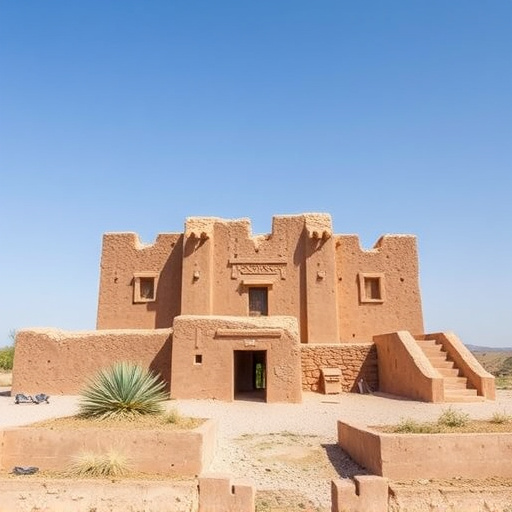
Casa Grande, Arizona, offers an archaeological journey through time, showcasing a rich tapestry of indigenous history. The iconic Great House and its structures, like the Great Kiva, reveal advanced architectural skills, social dynamics, and cultural heritage. Guided tours provide deeper insights into the site's history and artifacts tell stories about daily life, trade networks, and technological advancements. Conservation efforts prioritize authentic restoration and community engagement to safeguard these historical landmarks as integral parts of our shared human story. What to see in Casa Grande naturally includes exploring ancient village sites, understanding architectural feats, and appreciating artifacts that unfold the region's complex past.
In the vast tapestry of human history, archaeological sites stand as testament to past civilizations, their cultures, and achievements. Among these, Casa Grande in Arizona, USA, emerges as a captivating destination for enthusiasts and scholars alike. This remarkable structure, dating back to the 12th century, offers a glimpse into the sophisticated architecture and complex societal structures of the Ancestral Puebloans. What to see in Casa Grande isn’t merely about observing ancient bricks and mortar; it’s about understanding the intricate storytelling woven into its walls, floors, and layouts. This article invites you on an authoritative visual tour, delving deep into the historical and cultural significance of Casa Grande, providing insights that enrich our appreciation for this archaeological marvel.
- Unveiling Casa Grande's Historical Core: An Introduction
- Exploring the Site: Key Archaeological Features to Discover
- Decoding Artifacts: What Objects Reveal About Past Cultures
- Preserving the Legacy: Conservation Efforts and Future Insights
Unveiling Casa Grande's Historical Core: An Introduction
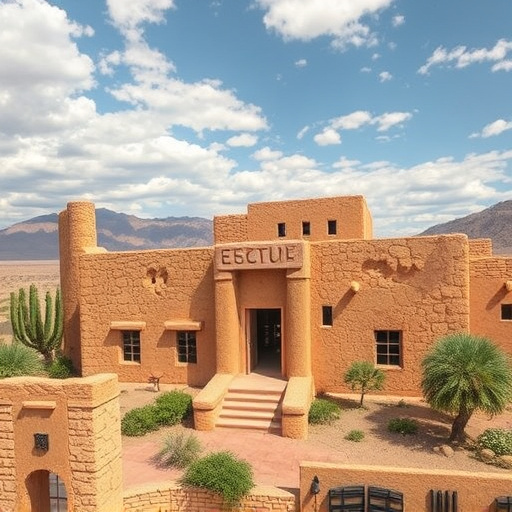
Casa Grande, nestled in the heart of Arizona’s vibrant history, offers visitors an extraordinary archaeological journey through time. Unveiling its historical core means exploring not just ancient structures but a tapestry of stories woven by the indigenous peoples who once thrived here. This diverse landscape, rich with cultural heritage, presents a unique opportunity to witness the remnants of past civilizations and understand their profound connection to this land. Among the many remarkable sites, Casa Grande’s historic landmarks stand out as testaments to the region’s complex history.
The journey into Casa Grande’s past begins with a visit to the iconic Great House, a monumental structure that dominates the landscape. This ancient citadel, constructed by the ancestral Puebloans, showcases their advanced architectural skills and intricate planning. Every stone, carefully placed, tells a story of community life, religious practices, and cultural significance. Exploring what to see in Casa Grande naturally leads one to these historic landmarks, where each step reveals insights into the daily lives of those who came before. The Great House, with its towering walls and intricate design, is not just an architectural marvel but a physical manifestation of the people’s deep respect for their environment.
Beyond the Great House, several other sites across Casa Grande’s historical core provide a comprehensive view of its past. For instance, the ancient village sites scattered throughout the region offer glimpses into daily life, trade networks, and social structures. These villages, with their remnants of living spaces, pottery shards, and burial grounds, paint a vivid picture of a thriving community. The historical landmarks in Casa Grande are not merely static relics but dynamic narratives that continue to evolve as archaeologists uncover new evidence. Understanding these sites requires an appreciation for the layers of history they hold and the ongoing efforts to preserve them for future generations.
Exploring the Site: Key Archaeological Features to Discover
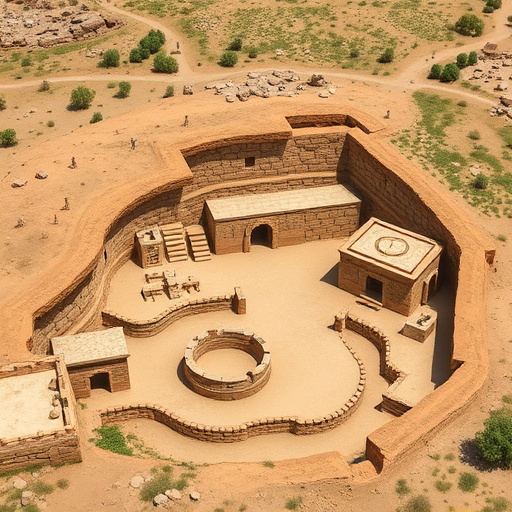
Exploring Casa Grande’s Historic Landmarks: A Visual Journey Through Time
Casa Grande offers a captivating archaeological experience, where visitors can delve into its rich history and discover remarkable features that tell tales of past civilizations. As you wander through this ancient site, keep your eyes open for several key landmarks that provide a deep understanding of the region’s cultural heritage. Among these, the Great Kiva stands as an iconic symbol, dating back to the Ancestral Puebloan period. This massive structure, with its circular shape and intricate construction, once served as a communal gathering place and spiritual center, offering insights into their complex social dynamics.
The surrounding landscape also reveals significant remnants of past settlements. Ruins of multi-story structures, known as the Great Houses, showcase the architectural prowess of these early inhabitants. For instance, the Casa Grande Ruins National Monument features several such houses, with walls reaching heights of over 20 feet, showcasing the skill and organization of the ancestral communities. These historic landmarks not only provide a glimpse into daily life but also highlight the advanced knowledge these societies possessed in agriculture, water management, and construction.
To truly appreciate what to see in Casa Grande naturally, consider joining guided tours led by experts who can point out these details. They often share fascinating stories and interpretations that bring the site to life. By examining the intricate tile work adorning certain structures or the precise alignment of buildings with astronomical events, visitors gain a deeper connection to this ancient place. Remember, each stone tells a story, and navigating these historic landmarks allows one to immerse themselves in the rich tapestry of Casa Grande’s past.
Decoding Artifacts: What Objects Reveal About Past Cultures
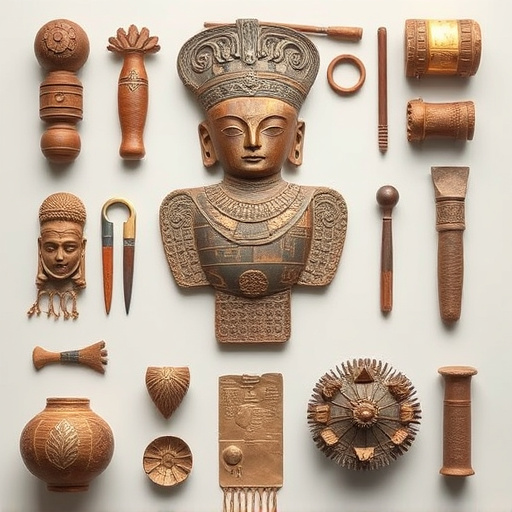
Decoding artifacts is a critical component of archaeological research, offering profound insights into past cultures. When exploring Casa Grande, one of the most remarkable historic landmarks, visitors can gain a deeper understanding of ancient societies by examining the objects left behind. Each artifact tells a unique story, revealing everyday practices, beliefs, and technological advancements. For instance, pottery shards found at archaeological sites can provide information about dietary habits, trade networks, and cultural influences over time. By studying these fragments, researchers can trace migrations, identify regional styles, and even determine the social status of individuals within a community.
One particularly enlightening aspect of decoding artifacts is the ability to reconstruct domestic spaces and activities. Casa Grande itself stands as a testament to this, showcasing intricate architectural features that hint at its former functions. Ancient tools, such as stone implements or pottery wheels, can illustrate technological sophistication and craftsmanship, giving clues about the skills and resources available to these civilizations. For example, advanced agricultural tools may suggest early forms of irrigation or crop rotation practices, providing a glimpse into their food production methods. Moreover, personal items like jewelry or decorative objects can offer insights into social hierarchies, religious beliefs, and artistic expressions.
To make the most of this experience, visitors should approach Casa Grande’s artifacts with an open mind and a keen eye for detail. Examining these objects closely allows one to imagine the daily lives of their creators, their aspirations, and the challenges they faced. By engaging in this process, individuals can contribute to the overall understanding of history, ensuring that these ancient cultures are not just preserved in texts but brought to life through tangible evidence. Additionally, exploring the context in which artifacts are found—be it a specific room within Casa Grande or a broader archaeological layer—can provide further insights into cultural evolution and environmental adaptations.
Preserving the Legacy: Conservation Efforts and Future Insights

Preserving the Legacy: Conservation Efforts and Future Insights
The archaeological landscape of Casa Grande offers a window into the past, where conservation efforts are not merely about preserving physical remnants but also about safeguarding the cultural heritage and historical context that these sites embody. The Casa Grande historic landmarks, including ancient structures and artifacts, stand as testament to the resilience and ingenuity of past civilizations. What to see in Casa Grande naturally highlights the importance of protecting these treasures for future generations.
Efforts to preserve these landmarks involve a multifaceted approach. Archaeologists, conservationists, and community leaders collaborate to implement sustainable practices that balance cultural heritage protection with responsible development. This includes meticulous site management, where every step from excavation to interpretation is guided by scientific rigor and cultural sensitivity. For instance, the careful restoration of ancient structures ensures their longevity while telling the authentic story of the people who inhabited them originally. By integrating traditional knowledge with modern conservation techniques, these teams safeguard the integrity of Casa Grande’s historic landmarks.
Looking ahead, the future of preserving Casa Grande’s archaeological legacy hinges on fostering a deeper understanding and appreciation for its cultural significance. This involves community engagement initiatives that educate residents and visitors alike about the importance of these sites. Furthermore, technological advancements in conservation offer promising avenues for non-invasive monitoring and documentation, enabling more efficient protection without disturbing the site’s delicate balance. As new insights into the past emerge, so too will a heightened appreciation for what to see in Casa Grande naturally—not just as historical curiosities, but as integral parts of our shared human story.