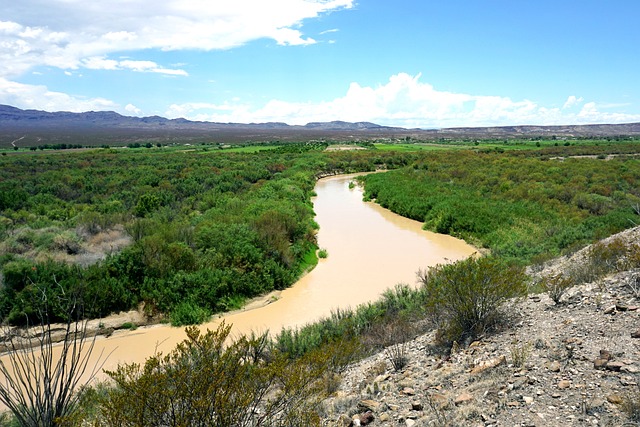
Casa Grande, Arizona, offers a unique blend of history, culture, and natural beauty. What to see in Casa Grande includes its historic downtown with diverse architecture, expansive desert landscapes, and cultural landmarks like the Casa Grande Ruins National Monument. Topographical and historical maps aid exploration, providing insights into outdoor attractions and architectural gems. Modern mapping platforms enhance accessibility, offering interactive experiences for a comprehensive understanding of what to see in Casa Grande.
The vibrant city of Casa Grande, Arizona, offers a captivating visual map that transcends its urban fabric into the surrounding landscapes. This unique geographic area, characterized by its diverse ecosystems and rich cultural history, presents a complex tapestry of natural wonders and human interventions. Understanding what to see in Casa Grande goes beyond mere observation; it involves deciphering the intricate interplay between the region’s geological formations, its indigenous heritage, and contemporary urban development. This article delves into the multifaceted visual landscape of Casa Grande, providing an authoritative exploration of its key features and the underlying dynamics that shape its distinctive character.
- Unveiling Casa Grande's Visual Treasures
- Exploring the City's Natural Landmarks
- A Comprehensive Guide to Casa Grande Maps
Unveiling Casa Grande's Visual Treasures
Casa Grande, nestled in the vibrant heart of Arizona, is a city that boasts a rich tapestry of visual treasures waiting to be explored. Beyond its modern urban landscape, the city harbors a wealth of historic landmarks that offer a glimpse into its diverse past. For the intrepid traveler or history buff, what to see in Casa Grande presents a captivating journey through time. Among these standout attractions, the historic downtown district stands as a testament to the city’s cultural evolution, featuring charming architecture and a vibrant local scene.
One cannot visit Casa Grande without immersing oneself in its architectural heritage. The city is dotted with remarkable examples of historic buildings that reflect its diverse influences. The Casa Grande Historic Landmark District, recognized for its significance, showcases a variety of architectural styles, from the Victorian-era homes to the charming adobe structures that date back to the early 20th century. These landmarks not only provide a visual feast but also serve as a living museum, narrating the city’s story through their design and construction. For instance, the historic Hotel Forti, with its grand facade and intricate details, stands as a symbol of the city’s early days as a bustling trading post.
Moreover, Casa Grande offers a unique opportunity to delve into its agricultural history through its expansive open spaces and scenic landscapes. The city’s proximity to the vast Sonoran Desert creates a breathtaking backdrop for exploring its natural wonders. Visitors can immerse themselves in the beauty of local parks, such as the Casa Grande River Park, where the serene river meets the desert, offering panoramic views and a chance to connect with the region’s natural heritage. These outdoor spaces not only provide recreational activities but also serve as a reminder of the city’s deep-rooted connection to the land and its rich agricultural heritage.
Exploring the City's Natural Landmarks
Casa Grande, Arizona, is a vibrant city that seamlessly blends its rich history with stunning natural landscapes. For those seeking to explore the city’s organic beauty, there are numerous captivating natural landmarks to discover. These sites offer a chance to connect with Casa Grande’s unique geography and ecological diversity. One of the most striking features is the vast desert landscape, characterized by expansive sand dunes and rugged mountains, providing a stark yet beautiful backdrop.
The city’s location in the Sonoran Desert means visitors can expect to witness remarkable flora and fauna. The Casa Grande Regional Park is a prime example of this; it showcases a diverse range of plant life, from saguaro cacti to mesquite trees, offering a vivid illustration of the desert ecosystem. Moreover, the nearby Santa Cruz River cuts through the desert, providing a refreshing contrast to the arid surroundings and supporting a variety of wildlife. Exploring these natural areas allows visitors to immerse themselves in Casa Grande’s distinct environment and appreciate its rich biodiversity.
In addition to these natural attractions, Casa Grande boasts several historic landmarks that further enhance the visitor experience. The city’s past is evident in its well-preserved architecture, such as the historic downtown area with its charming buildings and vibrant art scene. Combining a visit to these sites with an exploration of the natural landmarks offers a comprehensive understanding of Casa Grande—a harmonious blend of history and untouched natural beauty.
A Comprehensive Guide to Casa Grande Maps
Casa Grande offers a captivating visual journey for those seeking to explore its rich history and diverse landscapes. Understanding the city’s layout is essential for anyone delving into what Casa Grande has to offer. This comprehensive guide navigates the various types of maps available, highlighting key landmarks and providing insights to enhance your experience.
At the heart of any exploration lies the topographical map, which offers a detailed view of Casa Grande’s physical features—from rolling hills and vibrant valleys to man-made structures. These maps are invaluable for outdoor enthusiasts as they pinpoint hiking trails, parks, and scenic viewpoints, allowing visitors to immerse themselves in the city’s natural beauty. For instance, the Santa Cruz River, a defining geographic feature, meanders through the heart of Casa Grande, offering opportunities for river rafting and fishing. Historic landmarks, such as the Casa Grande Ruins National Monument, are also clearly marked, providing a glimpse into the region’s ancient past.
Beyond topographical maps, Casa Grande boasts an array of historic and cultural maps that shed light on its rich heritage. These documents often illustrate significant buildings, sites, and events that have shaped the city over time. For example, exploring the historic downtown area reveals a wealth of architectural gems, many of which are reflected in detailed historical maps. These resources not only provide a visual narrative but also serve as practical guides for those interested in delving into Casa Grande’s cultural heritage, including its vibrant art scene and diverse culinary offerings.
For visitors seeking an interactive experience, digital mapping platforms offer a modern twist on traditional maps. These tools often incorporate satellite imagery, 3D rendering, and virtual tours, enabling users to virtually stroll through Casa Grande’s streets or even explore historic landmarks remotely. This technology not only enhances accessibility but also provides a unique perspective, allowing one to appreciate the city’s layout and charm from various angles. By combining historical insights with modern mapping techniques, visitors can gain a comprehensive understanding of what to see in Casa Grande, ensuring an enriching experience tailored to their interests.