Casa Grande, Arizona, is a treasure trove for archaeological enthusiasts, boasting the Casa Grande Ruins National Monument with its Great House, offering insights into Puebloan culture. Beyond the ruins, the downtown area features historic landmarks and the Casa Grande Museum, showcasing pre-Columbian history. The region's artifacts, from pottery to tools, reveal trade routes and daily life practices. Architectural structures highlight cultural trends and innovations, like Roman concrete techniques. Conservation efforts preserve both physical sites and natural landscapes, integrating historical and ecological narratives. What to see in Casa Grande naturally combines ruins, museums, and historic landmarks for a deep dive into its rich history.
In the realm of archaeological exploration, Casa Grande stands as a treasure trove offering a captivating glimpse into ancient civilizations. Its intricate structures and rich history demand meticulous study and preservation. This article presents an authoritative visual tour, elucidating what to see in Casa Grande and its significance for archaeologists worldwide. By delving into this ancient site, we uncover the challenges of preservation and the innovative strategies employed to safeguard these invaluable artifacts for future generations. Prepare to embark on a journey that showcases the intricate details and profound insights waiting to be discovered within Casa Grande’s walls.
- Unveiling Ancient Secrets: An Intro to Casa Grande
- Exploring Key Areas: What to See in Casa Grande's Heart
- Deciphering Artifacts: Understanding Casa Grande's Legacy
- Architectural Marvels: Designs and Innovations from the Past
- Preserving History: Conservation Efforts at Casa Grande
Unveiling Ancient Secrets: An Intro to Casa Grande
Unveiling Ancient Secrets: An Intro to Casa Grande’s Archaeological Wonders
Casa Grande offers a captivating journey into the past, where visitors can explore ancient ruins and historic landmarks that tell tales of bygone civilizations. This vibrant city in southern Arizona is home to an impressive array of archaeological sites that provide a unique glimpse into the rich cultural heritage of the region. Among these, the Casa Grande Ruins National Monument stands out as a significant attraction, offering a chance to step back in time and witness the remarkable achievements of early peoples.
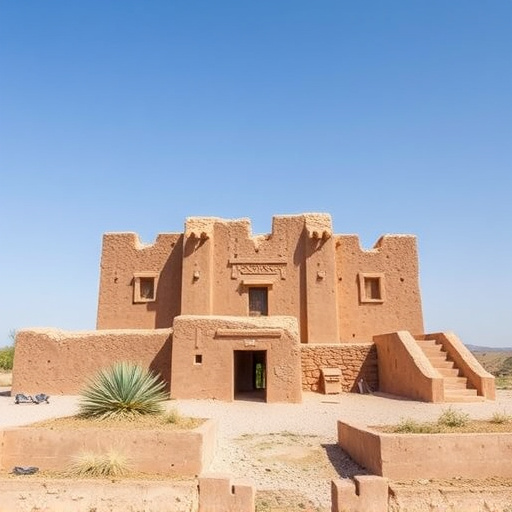
What to See in Casa Grande involves more than just visiting these ruins; it’s about immersing oneself in the stories they hold. The monument encompasses over 40 acres of ancient structures, including the Great House, which is one of the largest adobe buildings in the United States. This monumental structure, constructed around 1300 AD, showcases advanced architectural techniques and serves as a testament to the sophistication of the ancient Puebloan culture. As visitors traverse the site, they’ll encounter intricate walls, impressive courtyards, and mysterious underground rooms, each offering insights into daily life, religious practices, and societal organization of these early communities.
Beyond the Casa Grande Ruins National Monument, the city boasts several other historic landmarks that contribute to its rich archaeological tapestry. The Casa Grande Museum, for instance, houses an extensive collection of artifacts and exhibits that further illuminate the region’s pre-Columbian history. By exploring these diverse sites, visitors gain a profound appreciation for the resilience and creativity of ancient cultures, making Casa Grande a must-visit destination for anyone interested in delving into the mysteries of the past.
Exploring Key Areas: What to See in Casa Grande's Heart
Exploring Key Areas: Unveiling Casa Grande’s Heart
At the heart of Casa Grande lies a tapestry of historic landmarks and archaeological treasures that offer visitors a unique glimpse into the region’s rich past. Among these, the Casa Grande Ruins National Monument stands as a crown jewel, showcasing the remnants of an ancient Puebloan culture that once thrived in this desert landscape. Here, amidst the ancient walls and sprawling structures, visitors can witness firsthand the sophisticated architecture and engineering prowess of these early inhabitants.
Guided tours through the monument provide an invaluable opportunity to unravel the mysteries of this lost civilization. As you traverse the winding paths, expert interpreters share insights into the daily lives, customs, and beliefs of the Puebloans who called this place home. Notable features include the Great Kiva, a massive communal chamber that served as both spiritual and social hub, and the intricate stonework that demonstrates the advanced masonry skills of these ancient craftspeople.
Beyond the ruins, Casa Grande’s historical charm extends to its vibrant downtown area. This bustling centerpiece is dotted with charming shops, eclectic cafes, and galleries showcasing local art and crafts. Stroll along the historic streets and you’ll encounter iconic landmarks like the Old Town Hall, a testament to the community’s rich heritage. For those eager to delve deeper into the region’s history, the Casa Grande Museum offers a treasure trove of artifacts and exhibits detailing the area’s diverse cultural tapestry.
To truly appreciate what to see in Casa Grande naturally, plan your visit during seasonal events that celebrate the area’s heritage. From cultural festivals to archaeological lectures, these gatherings provide an immersive experience, allowing visitors to connect with the spirit of this captivating desert town. Whether exploring ancient ruins or immersing yourself in local culture, Casa Grande invites you to embark on a journey through time, revealing its heart as a place where history and contemporary charm intertwine seamlessly.
Deciphering Artifacts: Understanding Casa Grande's Legacy
Deciphering Artifacts: Understanding Casa Grande’s Legacy
Casa Grande offers an extraordinary journey into its past through the lens of archaeological artifacts. This ancient site, a testament to human ingenuity and cultural heritage, boasts a collection of remnants that paint a vivid picture of its rich history. Visitors can engage in a deep exploration of what to see in Casa Grande naturally as they uncover the stories embedded within these physical remains. Each artifact, carefully preserved, provides insights into the lives and practices of its original inhabitants.
Among the most striking historic landmarks within Casa Grande are the intricate pottery fragments found at various sites. These clay vessels, adorned with unique designs and patterns, offer a glimpse into the artistic abilities and cultural symbolism of past communities. Archaeologists have meticulously analyzed these artifacts to decipher their significance, revealing trade routes, social structures, and even beliefs about spirituality. The diversity in styles and techniques highlights the site’s dynamic history and interactions with neighboring civilizations.
Furthermore, the discovery of ancient tools and weapons provides a tangible connection to the daily lives of Casa Grande’s early inhabitants. Stone axes, spearpoints, and grinding stones, now displayed in local museums, showcase the technological advancements and resource management strategies employed by these cultures. By studying these artifacts, scholars can reconstruct hunting practices, agricultural techniques, and the overall adaptation of these communities to their environment. Casa Grande’s rich archaeological record invites visitors to delve into its history, fostering a deeper appreciation for the contributions of past generations to our shared heritage.
Architectural Marvels: Designs and Innovations from the Past
The study of architecture offers a unique lens into the past, allowing us to explore not only the physical structures but also the societal values, technological advancements, and artistic sensibilities of bygone eras. When delving into historical landmarks, casa grande stands out as a treasure trove for architectural enthusiasts. These grand residences, often steeped in cultural significance, showcase an impressive array of designs and innovations that continue to inspire modern architects.
Casa grande historic landmarks, such as the ancient Roman villas or the opulent palaces of Renaissance Italy, demonstrate the evolution of architectural styles over centuries. For instance, the grandeur of a 16th-century Venetian palazzo reveals intricate marble work, grand courtyards, and sweeping staircases that set the standard for opulent living. Conversely, the minimalist yet harmonious lines of an ancient Greek temple exemplify a different aesthetic, prioritizing simplicity, symmetry, and integration with the natural landscape—what to see in casa grande naturally aligns perfectly with these principles. Each architectural marvel tells a story of its time, providing insights into the cultural, political, and economic forces shaping society.
Beyond aesthetics, exploring casa grande historic landmarks offers practical insights into the innovations that have shaped modern architecture. From innovative structural elements like the vault and dome to advancements in materials science, each era has contributed unique architectural marvels. For example, the use of concrete in Roman construction, a groundbreaking innovation at the time, laid the foundation for many subsequent architectural developments. Understanding these historical precedents not only enriches our appreciation of past cultures but also equips architects with knowledge they can draw upon as they navigate contemporary design challenges.
Preserving History: Conservation Efforts at Casa Grande
Casa Grande, with its rich history spanning centuries, stands as a testament to the region’s past. Preserving this legacy is a meticulous task undertaken by archaeologists and conservationists who aim to safeguard the city’s unique character for future generations. The efforts to conserve Casa Grande are not merely about maintaining physical structures; they involve a nuanced approach to understanding and interpreting the site’s historical context, all while ensuring its accessibility as an educational resource.
One of the primary aspects of these conservation efforts is the meticulous restoration of historic landmarks within Casa Grande. Each structure, from ancient ruins to colonial-era buildings, is carefully studied and restored to minimize interference with the site’s natural evolution while maximizing its historical integrity. For instance, archaeologists have meticulously reconstructed portions of the city walls, offering visitors a glimpse into the architectural styles of yesteryears. These landmarks serve as focal points for educational tours, where experts can provide insights into the daily lives of past inhabitants and the cultural shifts over time.
The natural landscape within Casa Grande also plays a crucial role in these conservation strategies. Archaeologists work hand-in-hand with environmental scientists to understand the ecological changes that have shaped the region. By studying the natural environment, they can ensure that any development or intervention is sustainable and respectful of the site’s ecologically sensitive areas. This holistic approach ensures that what to see in Casa Grande naturally—from its diverse flora and fauna to its geological formations—remains intact for both academic study and public appreciation. The city’s historic landmarks, therefore, are not isolated artifacts but integrated parts of a living, breathing history that continues to unfold.