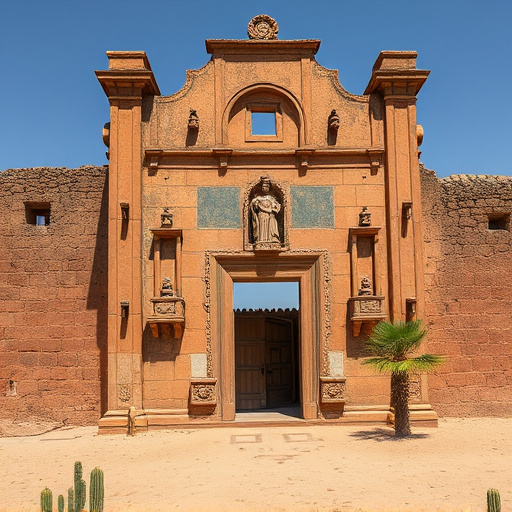
Casa Grande presents a captivating archaeological landscape with ancient ruins and petroglyph sites showcasing pre-Columbian civilizations' advanced masonry, intricate designs, and cultural practices. Guided tours by local experts highlight significant artifacts, architectural marvels, and historical insights, offering a unique, immersive experience. Beyond architecture, murals depict rituals and daily life, enhancing understanding of ancient communities. Local museums and artistic expressions provide deeper context for exploring Casa Grande's rich heritage, with preservation efforts ensuring minimal disruption to ancient artifacts for future generations. Key attractions include the Casa Grande Ruins National Monument and local museums, offering insights into ancestral societies' lives, agriculture, and trade while preserving the region's cultural evolution for visitors to enjoy and learn from naturally.
In the vast tapestry of global archaeology, the Casa Grande ruins stand as a captivating testament to ancient civilizations, nestled within the Sonoran Desert of Arizona. These monumental structures, dating back over 700 years, offer a rare glimpse into the sophisticated engineering and cultural achievements of the ancestral Puebloans. Yet, navigating these intricate sites can be daunting for both seasoned archaeologists and curious visitors alike. This article provides an authoritative visual tour, meticulously mapping what to see in Casa Grande, naturally, from its imposing great houses to the subtle nuances that tell tales of a bygone era. By the end, readers will possess a profound appreciation for both the history and scientific methodologies that breathe life into these ancient marvels.
- Unveiling Casa Grande's Ancient Secrets
- Exploring the Architecture of the Past
- Artifacts: What to Look For in Casa Grande
- Deciphering Historical Narratives Through Art
- The Cultural Landscape Around Casa Grande
- Preserving and Presenting Casa Grande Today
Unveiling Casa Grande's Ancient Secrets
Casa Grande, with its rich history spanning centuries, offers a captivating journey through time for archaeologists and visitors alike. Unveiling its ancient secrets is akin to piecing together a complex puzzle, where each discovery reveals a layer of the region’s past. This archaeological haven is particularly remarkable for what to see in Casa Grande naturally—its preservation of historic landmarks that tell stories of bygone eras.
Among the most significant sites are the ancient ruins scattered across the landscape, offering glimpses into pre-Columbian cultures. These remnants include intricate wall designs and architectural marvels hinting at the sophistication of these civilizations. For instance, the Casa Grande Ruins National Monument stands as a testament to the Anasazi people’s advanced knowledge of masonry. The structure’s massive walls and intricate layout provide an in-depth look at their social and political organization. Similarly, exploring the various petroglyph sites reveals ancient symbols and stories etched into the stone, offering insights into the spiritual lives and beliefs of these early inhabitants.
A close examination of these historic landmarks in Casa Grande provides valuable data on cultural practices and technological advancements. Archaeologists can piece together information about their diet, trade networks, and even climate change over time. For visitors, it offers a unique opportunity to witness firsthand the remnants of a civilization that once thrived in this region. Engaging with local experts during guided tours enhances the experience, offering insights into the methodologies behind archaeological discoveries and the ongoing efforts to preserve these precious sites. This immersive experience is not just about what to see in Casa Grande but also understanding its profound historical context.
Exploring the Architecture of the Past
Exploring the Architecture of the Past at Casa Grande
Casa Grande, a vibrant historical landmark, offers an extraordinary journey into the architectural achievements of ancient civilizations. This remarkable site, known for its impressive structures and cultural significance, provides a unique window into what to see in casa grande naturally, allowing visitors to immerse themselves in the past. The architecture here is not just about stone and mortar; it tells stories of communities that thrived, flourished, and left behind tangible legacies.
The architectural marvels at Casa Grande are a testament to the ingenuity and skill of its ancient inhabitants. One of the most striking examples is the intricate layout of the structures, designed with precision and an understanding of astronomical alignments. These buildings, often characterized by large courtyards, domed roofs, and sophisticated drainage systems, showcase the advanced architectural knowledge possessed by these pre-Columbian cultures. By exploring what to see in casa grande naturally, visitors can witness firsthand the craftsmanship that has stood the test of time, leaving a lasting impact on the region’s cultural heritage.
Beyond the structural brilliance, Casa Grande’s historical landmarks offer insights into the daily lives and beliefs of its former residents. Ancient murals adorning the walls narrate stories of rituals, ceremonies, and agricultural practices, providing a rich tapestry of information for archaeologists and enthusiasts alike. These artistic expressions not only highlight the architectural achievements but also contribute to our understanding of the cultural dynamics that shaped these ancient communities. By immersing oneself in these historical landmarks, visitors gain a deeper appreciation for the enduring legacy left behind by generations past.
To fully appreciate the architectural grandeur, visitors are advised to engage with local experts or guided tours. These resources provide valuable insights into the symbolism and construction techniques employed by the ancient architects. Whether exploring the grand structures or deciphering the murals, what to see in casa grande naturally invites a deeper connection with history, making it an indispensable destination for those seeking to understand and experience the architectural heritage of this remarkable site.
Artifacts: What to Look For in Casa Grande
Casa Grande offers an archaeological treasure trove for those interested in its rich history. When exploring this historic landmark, visitors can expect to uncover a variety of artifacts that paint a vivid picture of past cultures and daily life. What to look for? Keep your eyes peeled for items like pottery shards, tools, and even remnants of ancient structures—each providing unique insights into the lives of Casa Grande’s early inhabitants. For instance, intricate ceramic vessels can reveal trading patterns and cultural influences, while stone tools may indicate hunting strategies and technological advancements.
One particularly intriguing aspect is the diversity of materials used by these ancient communities. From pottery made from local clays to stone implements crafted from rare minerals, each artifact tells a story of resourcefulness and adaptation. Additionally, exploring the site’s various structures, such as ruins or ancient buildings, allows for a tangible connection to the past. These physical remains not only showcase architectural styles but also offer clues about community organization and social hierarchies.
To make the most of your archaeological visual tour in Casa Grande, consider joining guided tours led by experts who can provide valuable context. They can point out significant artifacts, interpret their significance, and share stories that bring history to life. Furthermore, engaging with local museums or cultural centers can offer a deeper dive into the region’s heritage, enhancing your understanding of what to see in Casa Grande and its surrounding historic landmarks.
Deciphering Historical Narratives Through Art
Deciphering Historical Narratives Through Art at Casa Grande Historic Landmarks
The art found within Casa Grande offers a unique window into its rich history and cultural tapestry. Each piece tells a story, whether it’s a delicate pottery shard from an ancient settlement or a vibrant painting capturing life in the 20th century. For visitors exploring these historic landmarks, understanding the narrative woven through these artifacts is essential to appreciating their significance. By observing closely, one can trace the evolution of Casa Grande’s identity through artistic expressions—from its indigenous roots to its present-day vibrancy.
Casa Grande’s artistic legacy provides a powerful tool for historical interpretation. For instance, ancient petroglyphs adorning rock faces narrate tales of early inhabitants’ spiritual beliefs and daily lives. These symbols, often overlooked, offer insights into the community’s connection with the land and their understanding of the natural world. Similarly, traditional crafts like pottery and textiles reveal the skills and values cherished by past generations, providing tangible links to their way of life. As one delves deeper into these artistic expressions, a more nuanced view of Casa Grande’s history emerges, revealing layers of cultural exchange and adaptation over time.
In exploring what to see in Casa Grande naturally, visitors should not miss the opportunity to engage with local artists and art enthusiasts. Their stories—whether about a particular piece or their inspiration—can add depth to the historical narrative. Many of these individuals are passionate about preserving and sharing their community’s artistic heritage, offering unique perspectives that enrich the visitor experience. By combining the visual evidence on display and the personal accounts shared, one gains a comprehensive understanding of Casa Grande’s cultural evolution and its enduring artistic spirit.
The Cultural Landscape Around Casa Grande
The cultural landscape surrounding Casa Grande offers a captivating glimpse into its rich history and unique archaeological heritage. This vibrant region is dotted with historic landmarks that tell stories of past civilizations, providing visitors with an immersive experience. Among these treasures, the ancient ruins and artifacts found in and around Casa Grande offer a particularly compelling look into the area’s Native American past.
One of the standout attractions is the Casa Grande Ruins National Monument, which showcases the remnants of a significant Puebloan settlement dating back to the 13th century. These impressive structures, constructed from local sandstone, include great houses, plazas, and defensive walls—a testament to the sophisticated engineering skills of the ancestral Puebloans. Exploring these ruins provides insights into their social organization, agricultural practices, and trade networks. Moreover, the monument offers breathtaking panoramic views, making it a must-visit for those seeking to understand what to see in Casa Grande’s natural setting.
Beyond the national monument, the region is enriched by smaller but no less significant historic sites. Local museums, such as the Museum of Cultural History at the University of Arizona, house extensive collections that include artifacts from nearby archaeological digs. These institutions play a vital role in preserving and interpreting the cultural landscape, providing visitors with deeper context and knowledge about Casa Grande’s history. By immersing oneself in these offerings, one gains a richer understanding of not just what to see in Casa Grande, but also the broader story of human occupation and cultural evolution in this remarkable region.
Preserving and Presenting Casa Grande Today
Casa Grande stands as a remarkable archaeological site, offering visitors an unparalleled glimpse into the past. The preservation and presentation of this historic landmark are testaments to the dedication of archaeologists and conservators who ensure its cultural significance endures. Today, what to see in Casa Grande is a rich tapestry of ancient history and modern accessibility, making it a must-visit for those intrigued by the indigenous cultures that once thrived here.
The site’s intricate layout and substantial structures provide insights into the advanced architectural capabilities of its builders. The main structure, reminiscent of a great house, dominates the landscape, with its multi-layered walls and meticulously designed rooms. These historic landmarks serve as a tangible connection to the Ancestral Puebloans who inhabited this area for centuries. By studying the construction techniques employed, archaeologists gain valuable knowledge about the social and political dynamics of these ancient communities.
Preserving such a vast and delicate archaeological site requires meticulous care. Experts employ modern conservation methods to stabilize the structures while minimizing intervention. This involves controlled restoration, advanced monitoring systems, and the implementation of visitor management strategies. For instance, guided tours are offered, allowing visitors to explore the site without disturbing the ancient artifacts beneath their feet. These measures ensure that Casa Grande remains a vibrant historical narrative for generations to come, showcasing the rich cultural heritage of the region.